Why Is My TPMS Light On?
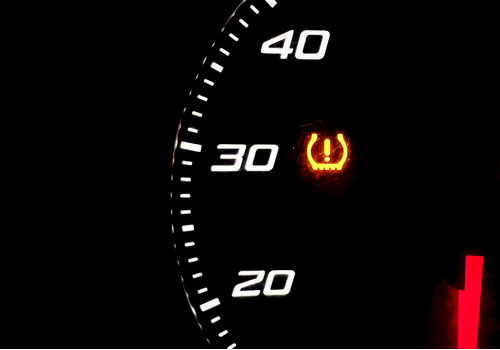
Seeing your TPMS (Tire Pressure Monitoring System) light come on can be frustrating, especially if your tires look fine. But that small warning light plays a big role in your safety. It’s designed to alert you when something isn’t quite right with your tire pressure—or the system itself.
Understanding what triggers the TPMS light can help you respond quickly, avoid unnecessary wear on your vehicle, and stay safe on the road.
What Is TPMS and Why Does It Matter?
Your TPMS monitors the air pressure in your tires and alerts you when it drops below the recommended level. Proper tire pressure is essential for:
- Safe handling and control
- Even tire wear
- Better fuel efficiency
- Reduced risk of tire failure
When the light comes on, it’s your vehicle telling you to take a closer look.
Common Reasons Your TPMS Light Is On
1. Low Tire Pressure
The most common reason for a TPMS light is simple—one or more of your tires is underinflated.
What you may notice:
- The TPMS light stays solid
- No major changes in how the car drives (at first)
Why it matters:
Low tire pressure can lead to poor handling, increased tire wear, and even blowouts if ignored.
2. Temperature Changes
Tire pressure fluctuates with temperature. When the weather gets colder, the air inside your tires contracts, lowering the pressure.
What you may notice:
- TPMS light comes on during cold mornings
- Light may turn off after driving for a while
Why it matters:
Even small pressure changes can trigger the system, especially during seasonal transitions.
3. Slow Leak or Puncture
A nail, screw, or small puncture can cause a gradual loss of air.
What you may notice:
- TPMS light remains on after refilling tires
- One tire consistently loses pressure
Why it matters:
Driving on a leaking tire increases the risk of sudden failure and uneven wear.
4. Faulty TPMS Sensor
Each tire has a sensor that communicates pressure data. These sensors can fail over time due to battery depletion or damage.
What you may notice:
- TPMS light flashes, then stays on
- No visible tire pressure issues
Why it matters:
A faulty sensor won’t accurately monitor your tire pressure, leaving you without reliable warnings.
5. Tire Rotation or Replacement Without Reset
If your tires have been rotated or replaced, the system may need to be reset or relearned.
What you may notice:
- TPMS light comes on shortly after service
- Tire pressures are correct, but light stays on
Why it matters:
The system needs to know each tire’s position to function properly.
6. Overinflated Tires
While less common, too much air in your tires can also trigger the TPMS light.
What you may notice:
- TPMS warning after adding air
- Tires feel stiff or ride feels harsher
Why it matters:
Overinflation reduces traction and can lead to uneven tire wear.
Solid Light vs. Flashing Light
Understanding how your TPMS light behaves can help pinpoint the issue:
- Solid light: Usually indicates low tire pressure
- Flashing light (then solid): Often signals a system or sensor problem
What Should You Do When the TPMS Light Comes On?
- Check your tire pressure using a reliable gauge
- Inspect tires visually for damage or punctures
- Adjust pressure to manufacturer-recommended levels
- Drive for a few minutes to see if the light resets
- Schedule an inspection if the light stays on or flashes
Why You Shouldn’t Ignore It
It might be tempting to ignore a TPMS light, especially if the car feels fine—but doing so can lead to:
- Reduced traction and handling
- Increased tire wear
- Lower fuel efficiency
- Higher risk of tire failure
Catching the issue early helps prevent more serious problems down the road.
Preventing TPMS Issues
- Check tire pressure monthly
- Keep tires inflated to recommended levels
- Inspect tires regularly for damage
- Reset TPMS after tire service when needed
- Replace sensors as they age or fail
A Safety-First Approach to Tire Care
Your TPMS system is there to help protect you. When the light comes on, it’s not just a warning—it’s an opportunity to address a small issue before it becomes a bigger one.
Taking a few minutes to check your tires or having them inspected by a professional can make all the difference in keeping your vehicle safe and reliable.
Serving Woodland, WA and Surrounding Areas
Drivers in
Woodland, WA and nearby areas such as Kalama, Longview, Kelso,
Ridgefield, Vancouver, and La Center can rely on quality automotive care and accurate diagnostics close to home.
