Why Does My Car Make a Clunking Sound When Going Over Bumps?
If your car makes a clunking or knocking sound when you drive over bumps, it’s more than just an annoyance—it’s a sign something in your suspension or steering system may be worn, loose, or failing. These sounds often start small but can grow into bigger problems if left unchecked. Understanding what’s causing the noise can help you address it early, keep your ride smooth, and most importantly, stay safe on the road.
What Causes a Clunking Noise Over Bumps?
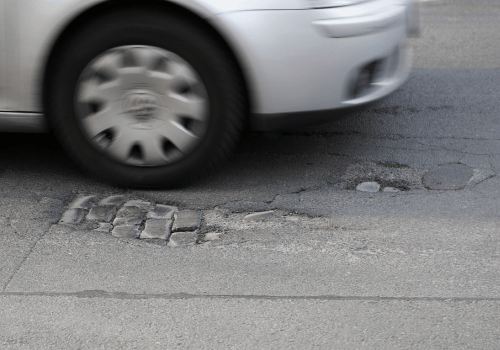
Your vehicle’s suspension system is designed to absorb impacts and keep your tires in contact with the road. When components wear out or loosen, you’ll often hear clunking noises—especially when hitting bumps, potholes, or uneven surfaces.
1. Worn Sway Bar Links
Sway bar links connect your suspension and help keep your vehicle stable.
What you may notice:
- Clunking over small bumps
- Noise at low speeds
- Sound coming from the front or rear
Why it matters:
Worn sway bar links can reduce stability and make your vehicle feel less controlled during turns.
2. Bad Ball Joints
Ball joints allow your suspension and steering components to move smoothly together.
What you may notice:
- Clunking noise when hitting bumps
- Loose or wandering steering
- Uneven tire wear
Why it matters:
Ball joints are critical for safe steering. If they fail, it can lead to serious safety concerns.
3. Worn Control Arm Bushings
Control arm bushings act as cushions between metal components in your suspension.
What you may notice:
- Thudding or clunking sounds
- Increased vibration
- Noise when accelerating or braking
Why it matters:
Worn bushings can affect alignment and cause instability.
4. Failing Struts or Shocks
Struts and shocks absorb road impact and help maintain ride comfort.
What you may notice:
- Clunking on larger bumps
- Excessive bouncing
- Reduced ride comfort
Why it matters:
Worn shocks or struts can impact braking and handling performance.
5. Loose Suspension Components
Sometimes the issue is as simple as a loose bolt or mounting point.
What you may notice:
- Intermittent clunking sounds
- Noise changes depending on the road
Why it matters:
Loose components can quickly lead to further damage if not tightened or repaired.
6. Worn Tie Rod Ends
Tie rods help control your steering direction.
What you may notice:
- Clunking or knocking sounds
- Steering feels less responsive
- Uneven tire wear
Why it matters:
Tie rods are essential for steering control and safety.
7. Exhaust System Movement
Not all clunking comes from the suspension. A loose exhaust system can also create noise.
What you may notice:
- Clunking underneath the vehicle
- Noise when going over bumps or accelerating
Why it matters:
Loose exhaust components can shift and contact other parts, creating noise and potential damage.
Why It Happens Over Bumps
Bumps put extra stress on your suspension system. If anything is worn or loose, that added movement causes parts to shift or knock against each other—resulting in the clunking sound you hear.
Why You Shouldn’t Ignore It
Even if the noise seems minor, it can lead to:
- Increased wear on suspension components
- Reduced handling and control
- Uneven tire wear
- Potential safety risks
Addressing the issue early helps prevent more serious problems.
What You Can Do Right Away
If your car is making a clunking noise:
- Pay attention to when and where the noise occurs
- Check for anything visibly loose under the vehicle
- Avoid rough roads when possible
- Have the suspension inspected by a professional
Preventing Suspension Problems
- Schedule regular inspections of suspension components
- Replace worn parts before they fail
- Keep your tires properly inflated and aligned
- Address unusual noises as soon as they appear
A Focus on Safety and Peace of Mind
Your vehicle is designed to provide a smooth and controlled ride. When something changes—like a clunking noise—it’s worth taking seriously. Getting the issue diagnosed early helps ensure your vehicle remains safe, stable, and reliable.
Serving Woodland, WA and Surrounding Areas
Drivers in
Woodland, WA and nearby communities such as Kalama, Longview, Kelso,
Ridgefield, Vancouver, and La Center can rely on dependable automotive service and accurate diagnostics close to home.
